

The Evolution of B2B Digital Sourcing Platforms

Your One Stop Shop for Online Wholesale
Navigating the global supply chain starts here, as our online wholesale marketplace connects verified suppliers with ambitious buyers for unbeatable bulk pricing. Scale your business faster with access to millions of products, seamless logistics, and zero middlemen markups. This is where serious commerce happens, from order one to enterprise volume.
The Evolution of B2B Digital Sourcing Platforms
The evolution of B2B digital sourcing platforms has fundamentally shifted from simple online directories to AI-driven ecosystems that pre-qualify suppliers, automate RFQs, and predict supply chain risks. Early platforms merely listed vendors, but modern solutions integrate real-time market data, blockchain for contract verification, and machine learning to match buyers with manufacturers capable of meeting specific production tolerances. Success now hinges on data liquidity—the ability to pull compliance, certifications, and capacity data from source systems without manual entry. My expert advice is to prioritize platforms that embed supplier diversity scoring and carbon footprint analytics directly into the search algorithm.
The real competitive edge lies not in finding a supplier, but in validating their entire operational history before the first negotiation.
Adopting platforms with secure API integrations for ERP synchronization will separate market leaders from those buried in spreadsheet errors. Digital trust protocols are no longer optional—they are the new currency of procurement.
How Cloud-Based Procurement Replaced Traditional Trade Shows
In the mid-2010s, B2B sourcing relied on clunky directories and manual RFQs. Today, platforms like Alibaba.com and ThomasNet have transformed into AI-driven ecosystems that anticipate demand. Intelligent supplier matching now cuts discovery time from weeks to minutes. These systems combine real-time logistics data, digital payment rails, and blockchain-verified certifications. The shift mirrors a move from static catalogs to dynamic marketplaces where sourcing agents can simulate supply chain risks and auto-negotiate terms. Key milestones include:
- Integration of IoT sensors for real-time production tracking.
- Automated compliance checks against global trade sanctions.
- Predictive analytics for raw material price volatility.
This evolution turns procurement into a strategic, data-backed function rather than a transactional chore.
Key Technological Shifts Powering Modern Bulk Trade
In the early 2000s, procurement teams relied on clunky directories and faxed bids, but the evolution of B2B digital sourcing platforms has transformed this into a data-driven ecosystem. Automated supplier discovery and AI-powered market intelligence now allow buyers to scan thousands of global vendors in seconds, matching raw materials or niche components with precision. Today’s platforms integrate real-time compliance checks, dynamic pricing, and blockchain-backed contract execution, turning a once-static process into a fluid, transparent marketplace. The shift mirrors a journey from dusty file cabinets to live dashboards, where a single click can unlock a network of vetted manufacturers, freight partners, and quality inspectors—enabling procurement teams to pivot from cost-cutters to strategic innovation drivers.
Globalization’s Role in Scaling Digital Wholesale
The evolution of B2B digital sourcing platforms has shifted from static online directories to AI-driven ecosystems that streamline procurement. Early platforms simply listed suppliers, but today’s solutions integrate real-time data, predictive analytics, and blockchain for transaction transparency. Digital supply chain integration now allows buyers to automate RFQs, vet suppliers via automated compliance checks, and negotiate terms within a single dashboard.
- Phase 1 (2000s): Basic catalogs and email-based inquiries.
- Phase 2 (2015+): Cloud-based marketplaces with dynamic pricing.
- Phase 3 (2020s): AI recommendation engines and IoT-enabled tracking.
Q: What drives adoption of modern sourcing platforms? A: Cost reduction (up to 30%) and supply chain visibility, which help firms mitigate disruption risks.
Critical Differences Between B2C and B2B Marketplaces
B2C marketplaces prioritize high transaction volume, instant checkouts, and personalized recommendations to drive impulse purchases. In contrast, B2B marketplaces focus on complex procurement workflows, negotiated pricing, and bulk order management. A critical difference lies in buyer dynamics: B2C often targets individual end-users, while B2B involves multiple stakeholders like procurement managers and C-suite executives. Consequently, B2B marketplace SEO strategies must target long-tail, industry-specific keywords rather than broad consumer terms. Payment terms also diverge—B2C expects immediate credit card payments, while B2B supports net-30 invoices and purchase orders. Furthermore, B2B platforms require robust catalog management (e.g., SKU variations, tiered pricing) and integration with ERP systems, whereas B2C emphasizes visual appeal and mobile optimization. These structural nuances demand distinct platform design, from UI/UX to backend logic, making B2B marketplace optimization far more intricate than its consumer counterpart.
Volume Pricing, Minimum Orders, and Negotiation Layers
B2C marketplaces like Amazon focus on instant gratification and emotional triggers, where users buy low-cost items with a single click. In contrast, B2B platforms (e.g., Alibaba) handle high-value, complex orders requiring approvals, contracts, and customized pricing. B2B marketplace customer acquisition relies on relationship building, while B2C depends on mass advertising and flash sales. Key differences include:
- Transaction volume: B2C has thousands of small sales; B2B deals with bulk orders.
- Buyer journey: B2C is impulse-driven; B2B involves long research and multiple stakeholders.
- Support: B2C uses chatbots; B2B needs dedicated account managers.
Trust Signals: Verified Suppliers vs. Consumer Reviews
While B2C marketplaces like Amazon thrive on impulse buys and simple checkouts, B2B platforms are built for complex procurement workflows. The core difference lies in the buyer journey: consumers make quick, emotional decisions, whereas business buyers follow a multi-stakeholder approval process. B2B marketplace procurement requires negotiated pricing, which is rarely seen in consumer retail. Another key split is payment terms; B2C expects instant card payments, but B2B often demands net-30 invoices, bulk quotes, and credit lines. Catalog complexity also varies wildly. B2C sells single units with standard SKUs, while B2B deals in tiered volumes, custom parts, and hierarchical product hierarchies. Finally, account management differs: B2C is self-serve and anonymous, but B2B needs dedicated sales reps, bulk ordering tools, and RFQ systems to close deals.
Logistics and Fulfillment Complexities in Wholesale
B2C marketplaces like Amazon are built for speed and impulse buys, while B2B platforms prioritize complex procurement processes. The core difference lies in buyer motivation: consumers shop for themselves, but businesses buy for their company’s operations, often involving multiple decision-makers. This leads to longer sales cycles, higher average order values, and a need for negotiated pricing in B2B spaces. For instance, a B2B marketplace might require custom catalogs, credit terms, and integration with ERP software—features irrelevant to a B2C buyer just looking for a new pair of shoes. B2B marketplace procurement workflows are far more structured and compliance-driven.
- Volume & Value: B2C involves low-value, high-frequency sales; B2B sees high-value, lower-frequency transactions.
- Decision-Making: B2C is one person; B2B often requires approval from departments like legal or finance.
- Pricing: B2C uses fixed price tags; B2B offers bulk discounts, contract pricing, and quotes.
Q: Can a B2C model work for B2B?
A: Rarely. B2C’s self-service approach ignores B2B’s need for account management, invoicing, and multi-user approval flows.
Top Verticals Dominating Online Bulk Transactions
Online bulk transactions are currently dominated by three key verticals: wholesale electronics, industrial raw materials, and bulk agricultural commodities. Major B2B platforms report that electronics, including semiconductors and components, account for the highest transaction volume due to global supply chain digitization. Processed chemicals and polymers follow closely, driven by API-integrated procurement systems. To maximize ROI in this space, focus on sourcing high-demand industrial supplies through verified marketplaces that offer escrow services and shipment tracking. The agricultural sector also commands significant bulk order value, particularly for grains and oils, where blockchain-backed contracts ensure quality and delivery. For sustained growth, prioritize platforms specializing in digital procurement optimization within these core verticals, as they offer the liquidity and logistics necessary for high-volume, low-margin success.
Apparel and Fast Fashion’s Rapid Sourcing Model
When it comes to online bulk transactions, a handful of verticals are absolutely crushing it right now. Wholesale electronics and IT hardware lead the charge, as businesses constantly need components, peripherals, and devices in large quantities. Next up is industrial machinery and raw materials, where manufacturers and contractors buy everything from steel coils to CNC tools directly through B2B portals. The food and beverage sector, especially bulk ingredients like grains, oils, and frozen goods, also dominates thanks to streamlined supply chains. Pharmaceuticals and medical supplies round out the top list, driven by hospital networks and clinics ordering in large volumes. Other major players include automotive parts and packaging materials.
- Electronics & IT Hardware – High demand for chips, cables, and office gear.
- Industrial Raw Materials – Steel, chemicals, and construction inputs.
- Food & Beverage – Bulk grains, oils, and frozen wholesale items.
- Pharmaceuticals – Prescription meds and medical disposables.
Q: Which vertical has the fastest growth in online bulk?
A: Industrial raw materials, especially for renewable energy and construction, are seeing the fastest digital adoption right now.
Electronics and Components: High-Volume, Low-Margin Trade
The landscape of online bulk transactions is unmistakably dominated by three core verticals, each driving unprecedented digital commerce growth. The wholesale and industrial supply sector leads, with platforms like Alibaba and Amazon Business enabling seamless procurement of raw materials and machinery. Closely following is the consumer electronics and tech hardware vertical, where high-volume orders for components, peripherals, and devices command massive transaction volumes. Third-party logistics (3PL) and freight brokerage have also emerged as a critical vertical, as businesses digitize bulk shipping and warehousing contracts. These sectors thrive due to streamlined payment gateways, volume-based discounts, and robust supply chain integrations, making them indispensable for B2B e-commerce scalability.
Home Goods and Raw Materials for Small Manufacturers
The current bulk transaction landscape is overwhelmingly shaped by the **wholesale distribution of consumer electronics** and industrial raw materials. Platforms like Alibaba and Amazon Business see massive daily volumes in electronics, particularly smartphones, memory chips, and peripherals, driven by global supply chains. Another huge category is raw commodities like steel, chemicals, and polymers, where bulk orders between manufacturers and brokers are standard. Agricultural staples, including grains and frozen meats, also dominate due to consistent demand from food processors and retailers. These verticals thrive because they rely on standardized pricing, high order values, and repeat B2B relationships.
- B2B Wholesale Electronics: High volume, fast inventory turnover.
- Industrial Raw Materials: Long-term contracts, price-sensitive bulk buys.
- Food & Agricultural Bulk: Perishable goods requiring rapid logistics.
Q&A:
What drives bulk electronics sales? Global replacement cycles and enterprise IT upgrades https://stafir.com/ keep demand steady. Why are raw materials a top vertical? They serve as base inputs for manufacturing, so orders are both large and recurring.

Evaluating a B2B Sourcing Platform’s Value
Evaluating a B2B sourcing platform’s value requires a systematic assessment of its ability to reduce transaction costs and improve supplier discovery. Key metrics include the accuracy of supplier verification, the richness of search filters, and the responsiveness of communication tools. Platforms that prioritize actionable supplier intelligence—such as certifications, production capacity, and trade history—offer higher utility than those with mere directory listings. Additionally, assessing the platform’s fee structure (e.g., subscription vs. commission) against the quality of matched leads is critical. A valuable platform minimizes due diligence burden while providing transparent feedback mechanisms, ultimately lowering the buyer’s total cost of sourcing and enabling faster, more secure procurement cycles. Without such tangible efficiency gains, the platform risks being a redundant intermediary.
Essential Filters: Supplier Credentials, Payment Terms, and MOQs
Evaluating a B2B sourcing platform’s value starts with looking beyond the price tag. You want to know if it actually saves you time and connects you with real, vetted suppliers. Check the quality of the supplier database—are they pre-screened or just a giant directory? Also, look for actionable supplier intelligence, like trade data or compliance reports, which can cut down your research hours immensely. A good platform should streamline your RFQ process and offer clear communication channels. If you’re constantly chasing down unresponsive vendors or sifting through spam, that’s a red flag. The real value shows up when the tool helps you move from discovery to signed contract faster than doing it manually.
Hidden Costs: Tariffs, Shipping Insurance, and Customs Clearance
When judging a B2B sourcing platform’s worth, focus on what it actually delivers for your supply chain. A good platform cuts through the noise, giving you access to verified suppliers without endless back-and-forth. Check for supplier verification processes like audits or certifications, which save you from costly mistakes. Also, think about the search filters—can you narrow down by location, MOQ, or certifications? If the platform offers integrated communication tools or order management, that’s a huge time-saver. Watch out for hidden fees or a flood of irrelevant quotes, as those drain value fast. A strong supplier network that aligns with your industry’s compliance standards is what separates useful tools from digital headaches.
Scalability Features for Growing Retailers and Resellers
After months of chasing faulty leads, the procurement team finally tested the platform. Its true value emerged not from the endless supplier lists, but from the ruthless B2B supplier verification process. They uncovered a hidden gem: a Vietnamese factory with ISO 9001 certification that their old methods missed. The metrics told the story:
- Lead-to-contract time dropped by 40%
- Audited supplier retention hit 95%
A single dashboard replaced three spreadsheets and a dozen emails. The platform didn’t just connect buyers and sellers—it filtered out noise, turning sourcing from a gamble into a calculated, trust-driven strategy.
Strategies for New Buyers Entering Digital Wholesale
Entering digital wholesale requires a sharp strategic focus. First, data-driven product research is non-negotiable; analyze trend analytics and sell-through rates on platforms like Faire or Handshake instead of relying on intuition. Secure verified supplier credentials to avoid counterfeits, and start with low minimum order quantities to test demand without overextending cash flow. Leverage automation tools to streamline reordering and inventory tracking, allowing you to scale efficiently. Finally, differentiate your brand through precise niche targeting and transparent pricing. By mastering these tactics, you build a resilient, profitable operation—not just another reseller in a saturated market. The advantage belongs to those who measure, adapt, and act decisively.
Building a Supplier Shortlist Without Overcommitting Capital

New buyers entering digital wholesale must prioritize supplier vetting to avoid costly pitfalls. Start by leveraging B2B platforms like Faire or Tundra, which offer buyer protection and transparent reviews. Build supplier relationships through direct communication before committing to large orders—request samples, negotiate net-30 terms, and verify minimum order quantities. Use data-driven tools to analyze market demand and price fluctuations, then diversify your product mix across trending categories. Always secure payment via credit cards for dispute leverage, and automate inventory tracking with apps like TradeGecko. Finally, join wholesale communities on LinkedIn or Discord where experienced buyers share insider tactics—this accelerates your learning curve and opens doors to exclusive deals.
Negotiating Sample Orders and Trial Batches Effectively
New buyers entering digital wholesale should prioritize supplier verification and platform navigation. Begin by researching B2B platforms like Faire or Tundra, focusing on reviews, shipping policies, and minimum order quantities. Digital wholesale supplier validation is crucial to avoid scams. Start with small sample orders to assess product quality and logistics efficiency. Use data analytics tools to track market trends and competitor pricing, ensuring your inventory matches demand.
Building a relationship with a single reliable supplier is more valuable than juggling multiple unvetted options.
Negotiate terms like net payment schedules or free shipping thresholds early. Leverage digital wholesale analytics to refine sourcing decisions. Avoid overstocking by using just-in-time ordering strategies for trending categories.
- Verify supplier credentials via trade lists or third-party audits.
- Test order fulfillment with small-batch purchases.
- Monitor platform fees and hidden costs.
Using Data Analytics to Predict Demand and Inventory Needs
New buyers entering digital wholesale should prioritize verified supplier vetting to avoid fraud and inventory inconsistencies. Leverage B2B platforms with buyer protection as your first line of defense. Start with small test orders to assess product quality and logistics speed before committing to large volumes. Always negotiate MOQs—many sellers are flexible for first-time partners. Establish a clear dropshipping or bulk-storage plan to manage cash flow, and diversify suppliers to reduce risk. Join wholesale-specific forums or communities to gain insider tips and market trends.
- Sample first: Request physical samples before bulk buys.
- Check reviews: Scrutinize third-party trade history and ratings.
- Use escrow payments: Protect capital until goods arrive.
Q: How do I spot a scam supplier?
A: They pressure instant payment, lack verifiable business licenses, and offer prices far below market averages. Always cross-reference their details with trade databases.
Seamless Integration With E-Commerce and ERP Systems
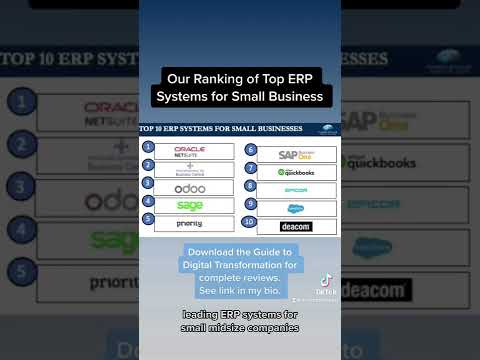
Seamless integration with e-commerce and ERP systems creates a unified operational backbone, synchronizing inventory, orders, and customer data in real time. This connectivity eliminates manual data entry, reducing errors and accelerating order fulfillment from webstore to warehouse. E-commerce and ERP system integration ensures that stock levels update instantly across channels, preventing overselling and improving supply chain visibility. By centralizing financial and logistical information, businesses achieve coherent reporting and streamlined workflows. Automated data flow between these platforms minimizes operational friction. This harmonization supports scalability, allowing companies to manage increased transaction volumes without disrupting back-office processes, enhancing overall efficiency and data accuracy across the enterprise.
API-Driven Inventory Syncing Across Sales Channels
For maximum operational efficiency, your e-commerce platform must synchronize bidirectionally with your ERP system. This eliminates manual data entry and prevents costly errors in inventory, order processing, and financial reporting. Real-time integration ensures that stock levels update instantly across sales channels, while customer orders automatically trigger fulfillment workflows in the ERP. This unified data flow is the backbone of a truly scalable digital business. Key benefits include automated invoice generation, synchronized product catalogs, and unified customer records. Prioritize APIs or middleware that support dynamic data mapping to handle complex pricing rules and multi-warehouse logic. Seamless e-commerce and ERP integration ultimately provides a single source of truth, empowering faster decision-making and superior customer experiences.
Automated Purchase Orders and Real-Time Stock Updates
Seamless integration between e-commerce platforms and ERP systems automates the flow of critical data. This synchronization eliminates manual data entry for orders, inventory levels, customer information, and financial transactions. By connecting these systems in real time, businesses gain a single source of truth, ensuring stock levels are accurate across all sales channels and order fulfillment is streamlined. This connectivity directly supports automated inventory management, reducing the risk of overselling and stockouts. The result is improved operational efficiency, faster order processing, and more reliable data for strategic decision-making. Ultimately, this unified approach minimizes errors and supports scalable growth by aligning front-end sales with back-end resource planning.
Reducing Manual Workflows Through Platform Connectivity
Seamless e-commerce and ERP integration is the backbone of modern omnichannel operations. By synchronizing inventory, orders, and customer data in real time, businesses eliminate manual data entry and prevent costly oversells. This connectivity ensures that stock levels update automatically across your website, warehouse, and accounting systems. The result is faster fulfillment, accurate financial reporting, and a unified view of your entire sales cycle. Without this integration, you risk inventory discrepancies, delayed shipments, and poor customer experiences.
Mitigating Risks in Cross-Border Bulk Trade
Mitigating risks in cross-border bulk trade demands a proactive, multi-layered strategy to navigate volatile markets and complex regulations. From fluctuating currency values to logistical bottlenecks and geopolitical instability, traders must deploy robust due diligence on foreign partners and employ sophisticated hedging instruments to lock in margins. Ensuring absolute compliance with international trade finance regulations is non-negotiable, requiring airtight documentation like letters of credit and thorough cargo insurance to shield against loss or fraud.
The true measure of success lies not in the deal you close, but in the invisible safety net you weave before the shipment ever leaves port.
By integrating digital tracking, pre-shipment inspections, and diversified supply chain networks, companies transform uncertainty into a calculable, manageable component of their global operations, turning potential pitfalls into pathways for sustainable growth. This dynamic approach leverages strategic risk management for bulk cargo as a competitive advantage.
Verification Tools: Certifications, Factory Audits, and Escrow Services
Mitigating risks in cross-border bulk trade starts with airtight contracts that specify delivery terms, payment triggers, and quality benchmarks. Due diligence on trading partners is non-negotiable. Before shipping, verify your counterparty’s trade history, financial health, and legal standing. Use escrow services or letters of credit to avoid payment defaults. For physical goods, insist on third-party inspections at load and discharge ports to catch quality or quantity discrepancies early. A strong point to remember:
A single oversight in documentation—like a missing certificate of origin—can freeze your cargo at customs for weeks, burning storage costs and killing margins.
Finally, secure marine cargo insurance and currency hedging tools. These steps won’t eliminate all risk, but they drastically reduce costly surprises during high-value, long-haul shipments.
Common Pitfalls in Payment Fraud and Goods Quality
Mitigating risks in cross-border bulk trade requires a layered strategy focusing on contractual clarity and due diligence. A robust contract should specify Incoterms, force majeure clauses, and dispute resolution mechanisms to prevent ambiguity. Comprehensive supplier verification is the cornerstone of risk mitigation, involving audits of financial health, trade compliance history, and quality certifications. Key operational controls include:
- Payment terms: Use confirmed letters of credit or escrow services to reduce default risk.
- Logistics oversight: Engage third-party inspectors for cargo quantity and condition inspections at origin and destination.
- Currency hedging: Lock in exchange rates via forward contracts to protect against volatility.
Q&A:
Q: How do I handle cargo damage during ocean transit?
A: Insist on marine cargo insurance covering “all risks” and require pre-shipment photos signed by the carrier’s agent for proof of condition.
Legal Frameworks: Contracts, Dispute Resolution, and Returns
When a cargo of specialty steel from Germany finally cleared customs in Mumbai, the logistics manager breathed a sigh of relief—the invoice discrepancies he’d caught at 3 a.m. had prevented a six-figure penalty. Mitigating risks in cross-border bulk trade demands this constant vigilance. Beyond document accuracy, the greatest threats lurk in currency volatility and maritime delays. Smart traders now employ dynamic hedging strategies against currency risk to lock in exchange rates weeks before shipment. On the operational side, they enforce a strict protocol:
- Pre-shipment inspection by independent third parties to verify quality and quantity.
- Trade credit insurance covering non-payment due to political or commercial default.
- Real-time cargo tracking with IoT sensors monitoring temperature and location.
These layers of defense turn volatile cross-border deals into predictable revenue streams.
Emerging Trends Shaping the Future of Bulk Commerce
Emerging trends are decisively reshaping bulk commerce, with data-driven procurement and automated supply chains leading the transformation. Businesses now leverage real-time analytics to forecast demand with unprecedented accuracy, minimizing waste while maximizing margin. The rise of centralized digital marketplaces further eliminates traditional intermediaries, offering transparent pricing and streamlined logistics for high-volume transactions. Crucially, sustainability certification is no longer optional but a competitive necessity, as bulk buyers mandate verifiable green sourcing. To remain viable, companies must invest in predictive AI for inventory and adopt blockchain for supplier transparency; those who fail to integrate these technologies will be rapidly outpaced by agile, data-first competitors.
Artificial Intelligence for Predictive Sourcing and Pricing
The warehouse floor hums with a quiet revolution, no longer a graveyard of pallets but a living organism. The emergence of autonomous mobile robots, working in silent choreography alongside humans, is just the first chapter. Predictive analytics for bulk demand now whispers to supply chains, anticipating raw material shortages weeks before they ripple through the market. Meanwhile, a shift toward micro-fulfillment networks is shattering the old model of a single, monolithic distribution center.
Instead, bulk commerce is spinning into smaller, hyper-local hubs. This decentralization reduces last-mile fuel costs and allows for same-day delivery of bulk orders to construction sites and factories. What was once a slow, lumbering beast is learning to dance.
Blockchain’s Role in Supply Chain Transparency
Bulk commerce is being radically reshaped by AI-driven supply chain automation, enabling real-time demand forecasting and predictive inventory management that slashes waste. Blockchain technology now ensures tamper-proof traceability for raw materials, building trust across global B2B networks. Meanwhile, sustainable bulk packaging—such as reusable pallet systems and biodegradable wrappers—is becoming a competitive necessity, driven by both regulatory pressure and corporate ESG goals. The rise of direct-to-manufacturer digital procurement platforms is disintermediating traditional distributors, offering dynamic pricing and bulk customization at scale. Additionally, last-mile logistics innovations, including electric fleets and micro-warehousing, are cutting carbon footprints while maintaining speed.
- Key trends: AI forecasting, blockchain traceability, eco-packaging, decentralized platforms, green logistics.
Q&A:
Sustainability as a Decision Factor for Wholesale Buyers
Bulk commerce is shifting fast, with digital procurement platforms leading the charge. These tools let buyers compare suppliers and negotiate prices in real-time, cutting out endless phone calls. Another big change is the rise of automated warehousing, where robots handle heavy loads and AI predicts stock shortages before they happen. Sustainability is also pushing sellers to offer eco-friendly packaging and carbon-neutral shipping options, which more clients now demand. To keep up, you’ll see more flexible order minimums and decentralized inventory hubs. The key is adapting quickly—businesses that lean into these trends will beat the competition. It’s not just about moving more product; it’s about moving smarter.